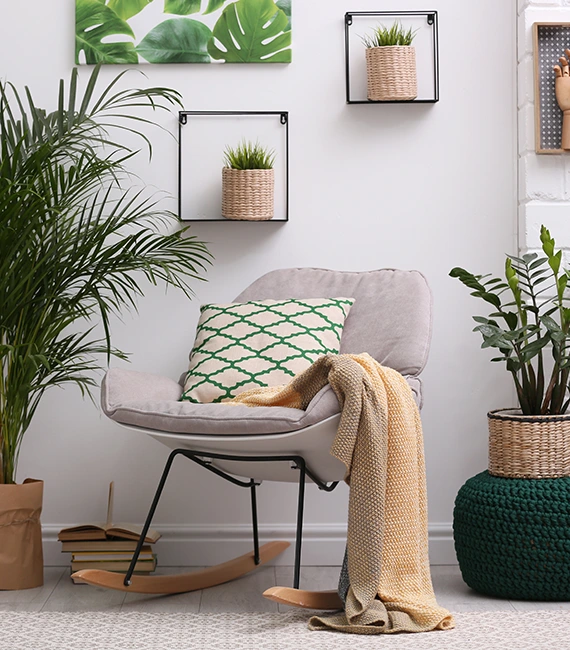
Strategic design choices fundamentally alter everyday experiences, turning standard rooms into cohesive sanctuaries. Thoughtful placement and material selection define the character of domestic architecture.
01
Earthy textures
Integrating raw clay ceramics and unpolished stone finishes grounds interior atmospheres. These organic surfaces create tactile contrasts against sleek contemporary surfaces.
02
Curved silhouettes
Replacing sharp angles with rounded archways and circular seating arrangements promotes visual fluidity. Softened geometries reduce harshness in high-traffic residential zones.
03
Biophilic elements
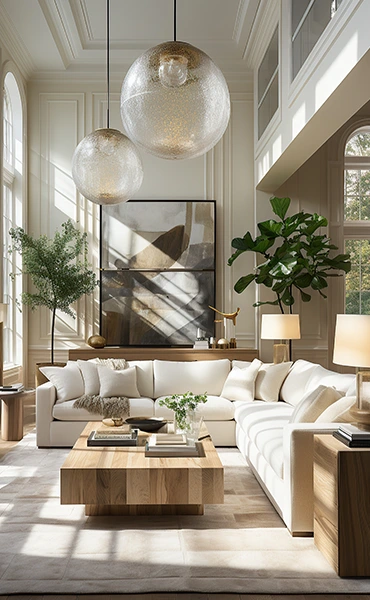
Maximizing natural light through expansive glazing connects indoor areas with external landscapes. Utilizing sustainably sourced timber brings warmth to structural components.
Optimizing Spatial Flow
Strategic furniture arrangement dynamics
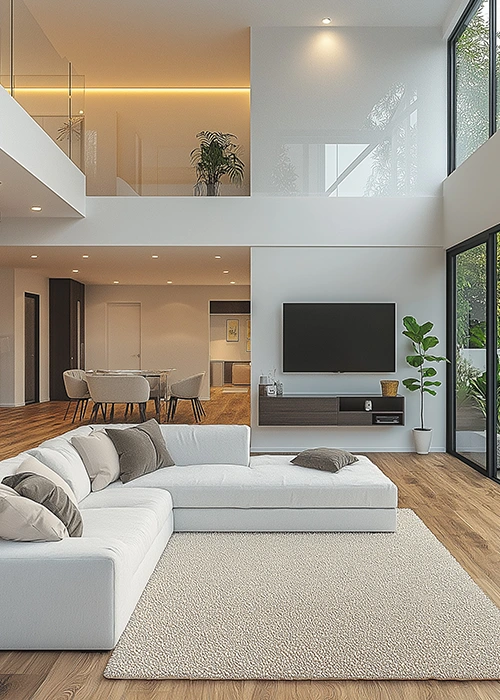
Positioning modular seating slightly away from solid walls establishes distinct conversation zones within large open-plan dimensions. Anchoring this central area with a heavily textured rug delineates functionality without requiring physical partitions. Selecting low-profile coffee tables maintains unobstructed sightlines across the entire room.
Floating shelving units provide necessary storage while preserving floor visibility, creating an illusion of expanded square footage. Multi-functional consoles seamlessly conceal electronic cables beneath flat screens.
Ergonomic profiles enhance daily comfort
Symmetrical layouts foster visual balance
Nested tables offer flexible surface options
Curating vertical display surfaces
Gallery alignments
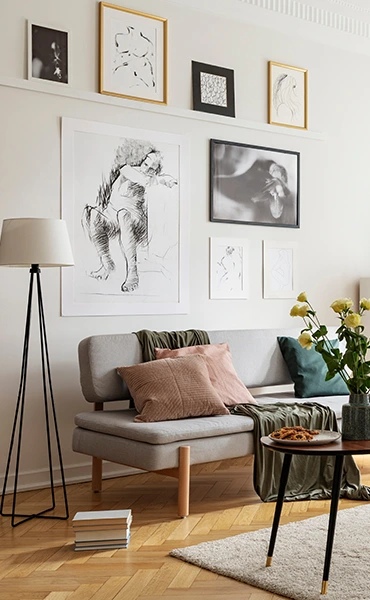
Grid formations establish rigorous order using identical minimalist frames.
Sculptural reliefs
Three-dimensional metalwork casts dynamic shadows depending on ambient illumination.
Textile hangings
Woven tapestries absorb acoustic reverberations while adding tactile warmth.
Oversized canvases
Large abstract pieces serve as singular, dominant focal points.
Mirrored accents
Strategically placed reflective glass amplifies daylight in narrow corridors.
Illumination control strategies
Layering distinct light sources transforms architectural perception after dusk. Combining recessed ceiling fixtures for general visibility with directional sconces highlights specific architectural features or reading alcoves. Dimmer switches provide crucial adaptability, allowing occupants to shift the environmental mood from high-energy task execution to relaxed evening winding down seamlessly.
Integrating Botanical Elements
Cultivating vibrant indoor ecosystems
Positioning large-leaf tropicals near south-facing windows capitalizes on optimal indirect sunlight, creating lush focal points in barren corners. Trailing varieties cascaded from elevated shelving draw the eye upward, emphasizing ceiling height while naturally softening the rigid vertical lines of modern built-in cabinetry.
Selecting appropriate porous terracotta pots ensures proper soil aeration and prevents root rot. Self-watering planters offer practical solutions for maintaining consistent moisture levels during prolonged absences.
Structuring Exterior Zones
Foundational outdoor design principles
Durable paving selections
Laying permeable interlocking pavers facilitates natural water drainage away from foundations. This hardscaping approach defines dining perimeters while remaining structurally stable through seasonal freeze and thaw cycles.
Boundary definition structures
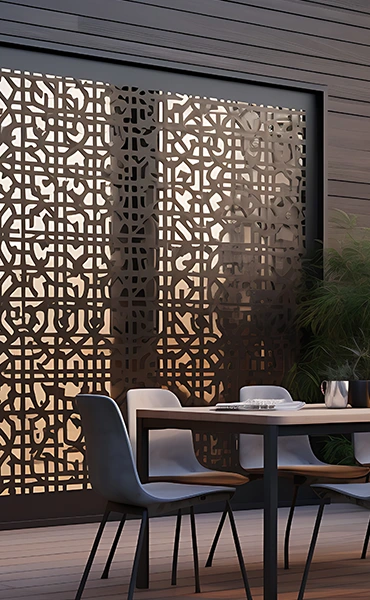
Installing slatted wooden screens offers immediate privacy without entirely blocking cooling breezes. These vertical dividers segment large backyards into intimate, manageable functional areas for relaxation.
Integrated shade solutions
Constructing motorized pergolas allows exact control over sun exposure on terraces. Retractable canvas awnings provide temporary relief during peak afternoon heat, protecting exterior lounge furniture.
Atmospheric fire features
Centering a seating arrangement around a built-in stone fire pit extends patio usability into cooler evening hours. Gas-powered variants require minimal maintenance while generating consistent warmth.
Seamless Technological Integration
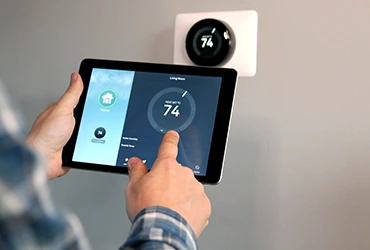
Automated environmental controls
Climate regulation systems
Sensors continuously monitor ambient temperatures, adjusting motorized blinds to optimize passive solar heating daily.
Acoustic distribution networks
Flush-mounted architectural speakers deliver synchronized high-fidelity audio across multiple rooms without cluttering floor surfaces.
Security monitoring hubs
Discreet exterior cameras sync with interior wall panels, providing real-time perimeter surveillance and peace.
Ethical procurement strategies
Prioritizing sustainable construction materials
Selecting reclaimed timber for flooring reduces ecological impact while introducing unique patinas unattainable with new lumber. Specifying paints with low volatile organic compound emissions significantly improves indoor air quality. These mindful choices form the foundation of environmentally responsible domestic architecture.
Incorporating recycled glass aggregates into kitchen countertops provides exceptional durability and striking visual depth. Cork underlayment acts as a renewable thermal barrier beneath hard surfaces.